
Most operators don't have a capacity problem. They have a utilization problem.
Across manufacturing sites and distribution centers, valuable capacity is often hidden behind inefficient processes, limited visibility, and disconnected systems. When performance starts to suffer, the instinct for operators and 3PLs alike is to add more labor, more equipment, or more space. In many cases, however, there is significant untapped capacity already sitting inside the existing operation.
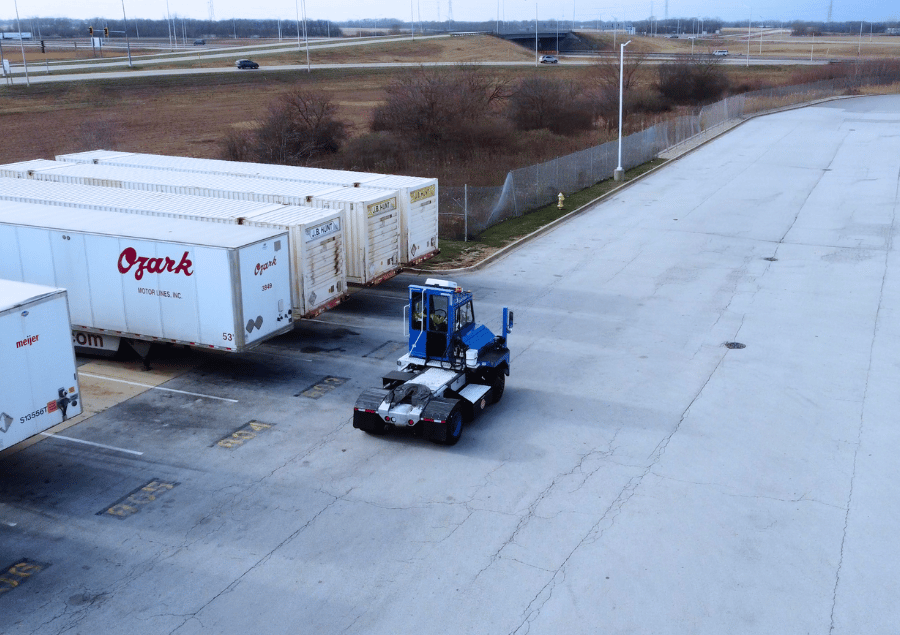
The yard is one of the clearest examples. Every inbound arrival, outbound shipment, trailer movement, and dock assignment passes through it. It’s the place where transportation schedules, warehouse labor plans, and customer delivery commitments all converge. Yet most yards are still run manually and lack any sort of process standardization.
This is where capacity tends to hide. And why yard optimization is the best place to start if your organization is looking to move more freight, improve service, or control costs. The biggest opportunity may not be expanding yard capacity at all. It may be making better use of the yard you already have.
The problem with a legacy yard management approach
While companies have spent decades investing in their warehouses and transportation networks, many have overlooked the critical connection point between them: the yard.
In the modern logistics era, this oversight is getting expensive for supply chain leaders with a traditional view of yard management. While a yard may cost less to operate than freight transportation or warehousing, many carrier-imposed penalties, cargo losses, and even worker safety claims are tied to yard operations.
On top of that, when a yard becomes congested or lacks capacity, the effects extend far beyond the fence line. Yard inefficiency doesn’t just show up as fewer moves per hour. It impacts throughput, service levels, freight rates, and overall network performance. The yard is also a direct contributor to a company’s ability to hit on-time, in-full (OTIF) delivery commitments.
This is why a siloed, disconnected view of yards falls short when addressing utilization. Adding more trucks and more drivers may not actually solve the root cause(s) of what’s happening in the broader logistics ecosystem.
Why start with yard optimization
Many enterprise yards still run on clipboards, radios, and gut instinct. In 2026, only 16% of companies reported using technology like a yard management system (YMS) to manage yard operations. This lack of sophistication inside the four fences means that yards tend to be reactive, and it’s hard to measure performance.
Yard logistics teams are largely focused on getting trucks through the gate, positioning trailers at the docks, and keeping congestion under control. These daily demands consume time and resources, especially when:
- Gate operations are handled manually or via standalone applications
- Spotting services are contracted out to regional vendors with inconsistent service
- Trailer tracking is done with clipboards or siloed software
- Dock scheduling is driven by urgent, ad-hoc needs
While the goal of yard optimization is to improve how and when trailers move, it also addresses broader challenges like:
- Excessive trailer dwell times
- Product spoilage due to delays or temperature excursions
- Congestion and detention penalties at busy docks
- Inefficient use of labor and yard trucks
- Safety and compliance risks
- Inconsistent service across facilities
Yard optimization is focused on right sizing the consumption of resources while maximizing the movement of goods in and out of the facility. It removes inefficiencies that only amplify as operations scale and freight volumes grow.
By putting existing resources to better use, companies can not only handle more freight while reducing the delays and expenses that hurt profitability but also lay the foundation for the future of yard logistics. From electrification to autonomy, the best first step is to optimize it before you automate it.
How to unlock existing yard capacity
Even minor yard inefficiencies can affect performance across the supply chain. For supply chain leaders, the opportunity lies in increasing throughput and making better use of existing yard capacity. That’s where yard optimization comes into play.
Consider trailer spotting. Every unnecessary trip across the yard increases labor and fuel costs while adding wear to equipment. Plus, trailers that aren’t where they need to be are either taking up valuable space and adding to site congestion. With better scheduling and coordination, companies can turn trailers faster and handle more freight without expanding their footprint.
Dock utilization is another opportunity. With better visibility into inbound arrivals, door availability, and order fulfillment priorities, managers can coordinate trailer loading and unloading more effectively. Yard trucks and spotters can be positioned in anticipation of their next move instead of aimlessly moving back and forth across the property or leaving equipment sitting idle.
Then there’s gate operations. Long check-in times, manual processes, and limited visibility into inbound arrivals can create congestion before a trailer even enters the yard. By streamlining gate operations and improving real-time coordination, companies can move freight through the yard faster, reduce congestion, and make better use of available capacity.
Beyond these use cases, yard optimization also has implications for safety and sustainability. The safest and most sustainable move in the yard is the one you don’t make. Reducing unnecessary moves in the yard not only mitigates common operational risks but also positively contributes to decarbonization goals.
The system behind yard optimization
Sustained yard optimization requires more than individual process improvements. It requires a connected operating model that brings together people, equipment, facilities, and workflows into a single system. A yard operating system (YOS) like YMX OS provides that foundation by creating real-time visibility across trailer movements, dock activity, gate operations, and people resources.
Rather than managing each function independently, a YOS platform helps companies coordinate activities across the entire yard and connect them with transportation and warehouse operations. But a YOS goes beyond traditional Yard Management System (YMS) functionality. It’s an operating platform that allows operators to make faster decisions, deploy resources more effectively, and establish consistent ways of working across the network. The result is greater throughput, better asset utilization, and improved control over one of the most important links in the supply chain.
At YMX Logistics, we've found that when you measure how efficiently a yard handles freight and uses available resources, you can make better investment decisions. And in many cases, there's already plenty of opportunity sitting right there, just outside the warehouse doors.